NFC payment
What is NFC payment?
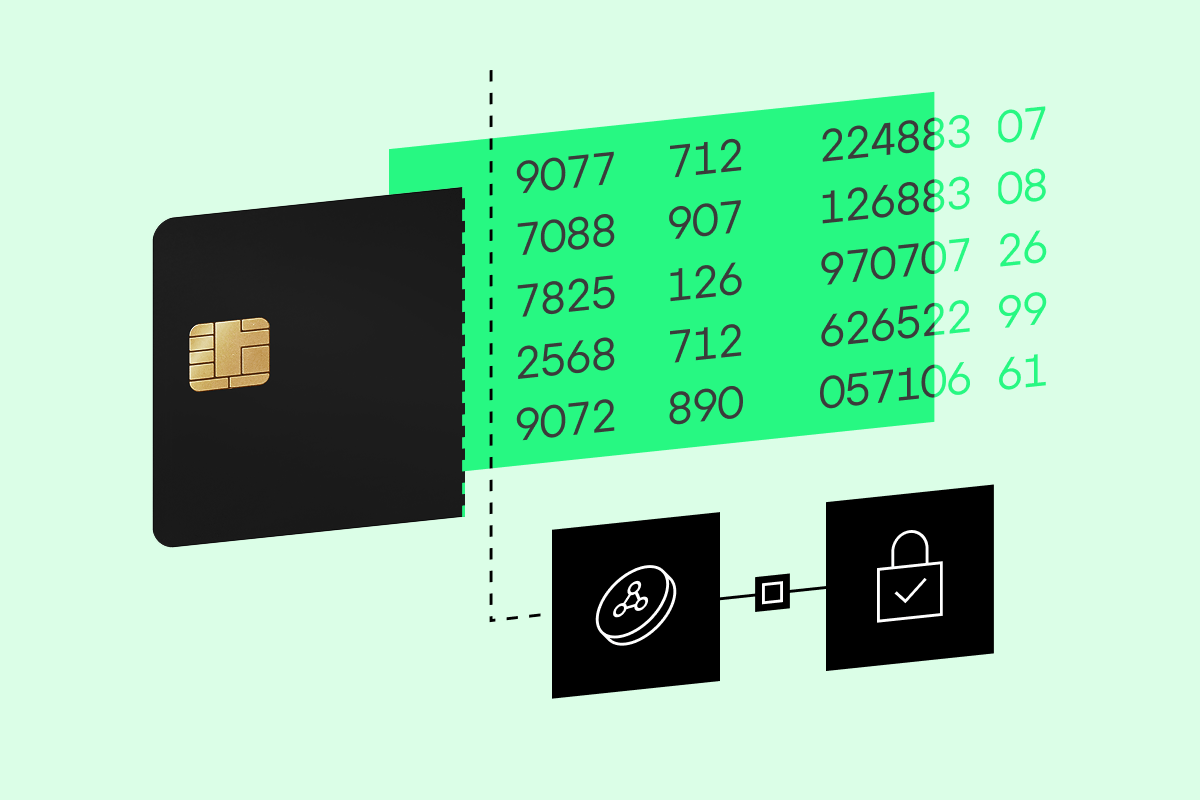
Near-Field Communication (NFC) payment is a contactless payment method that uses short-range wireless technology to exchange payment data between a device and a payment terminal. The device can be a phone, a smartwatch, or a contactless card, and the exchange completes in under a second.
NFC is the radio layer underneath tap-to-pay. is the broader acceptance category, and NFC is the technology most of that category runs on – for the full category view, see contactless payments. In practice NFC covers mobile wallet options like Apple Pay, Samsung Pay, and Google Pay, as well as the contactless cards issued by most banks. Compatible mobile devices, functioning as , communicate with payment terminals and transmit encrypted payment credentials.
Key facts
- Also known as: tap to pay, tap and go, contactless mobile payment
- Radio standard: the 13.56 MHz band defined by ISO/IEC 14443, the same standard behind contactless bank cards
- Payment specification: EMV contactless specifications, managed by , define how the card or device and the terminal exchange payment data over that radio link
- Range: up to about 4 centimeters, so the device is held against the reader rather than waved near it
- Devices: contactless cards, phones, smartwatches, and wearables carrying a digital wallet
- What's transmitted: a device token produced by plus a cryptogram valid for that single tap, not the card number printed on the card
- Transaction type: a when the tap happens at a physical terminal
How it works
- The terminal opens a field. The reader at the emits a radio field and waits for a compatible device to enter it.
- The cardholder taps. When a holds an NFC-enabled device near a compatible terminal, the device transmits encrypted payment credentials.
- The device verifies the cardholder. A phone or watch requires or a passcode before the wallet releases anything. A contactless card carries no verification step of its own.
- Credentials are exchanged. The device sends a token in place of the real card number, together with a cryptogram that only authorizes that one tap.
- The transaction is authorized. The terminal then communicates with the , which routes the request through the to the .
- The result returns. The approval or decline travels back along the same path within a few seconds, and the terminal displays the outcome.
Types of NFC payments
- Contactless cards: credit and debit cards with an antenna built in next to the chip. The card stores the credentials and taps directly on the terminal.
- Mobile wallets: Apple Pay, Google Pay, and Samsung Pay on a phone. In a store, each one uses the phone's NFC chip to tap. When the same wallet pays on a website or in an app, no NFC is involved: the payment runs as an or online card payment instead.
- Wearables: smartwatches, rings, and fitness bands that carry a wallet. They tap the same way a phone does, with the watch or ring unlocked by the cardholder in advance.
How merchants accept NFC payments
- Contactless terminal: a countertop or handheld card terminal with an NFC reader, the standard setup in retail and hospitality.
- Mobile card reader: a small NFC-enabled reader that connects to a phone or tablet over Bluetooth, used by market stalls, delivery staff, and pop-up sellers.
- Tap to pay on a phone: an app turns the merchant's own NFC-enabled phone into the terminal, so the cardholder taps their card or phone against it. No separate hardware is needed, which is why this setup is also called softPOS.
Why it matters
- Counter time on small purchases. A tap removes card insertion, PIN entry, and signature from low-value transactions, which is why transit gates and quick-service restaurants adopted it first.
- The card number never reaches the merchant. Since the device sends a token and a single-use cryptogram, a compromised terminal log holds nothing an attacker can replay on a second transaction.
- Card-present treatment. An in-store tap is a card-present transaction, so it falls under different and rules than the same card keyed into a .
- Acceptance coverage. NFC payments are now standard in retail, transportation, and hospitality, so a terminal without contactless acceptance turns away cardholders who don't carry a physical card at all.
Common issues
- The tap doesn't register. The exchange completes only while the device stays inside the reader's field, so a device moved past the terminal quickly leaves the handshake unfinished.
- The contactless limit is reached. Markets and issuers cap how much can be tapped without cardholder verification. Above that ceiling the terminal falls back to a or asks for the card to be inserted. The ceiling varies by country, scheme, and issuer.
- Radio interference. Metal cases, thick wallets, and two contactless cards presented together disrupt the field, and the reader can't resolve which card to talk to.
- Declines look generic. A failed tap returns the same as any other card transaction, so the terminal message rarely distinguishes a provisioning problem from an issuer risk rule.