Churn
What is churn?
Churn is the rate at which customers stop doing business with a company over a set period, usually shown as a percentage of the customer base at the start of that period. It measures how many paying relationships a business loses rather than how many it wins.
For subscription and businesses, churn is a core health metric because revenue depends on customers staying billed month after month. A high churn rate erodes the recurring base faster than new sign-ups can replace it, which caps growth even when acquisition is strong.
Key facts
- Also known as: customer churn, customer attrition, attrition rate
- Formula: churn rate = customers lost during a period ÷ customers at the start of that period
- Two types: voluntary churn and involuntary churn
- Applies to: subscription, membership, and businesses
- Related view: customer churn counts lost accounts; revenue churn counts the lost recurring amount, which differs when customers sit on different price plans
Voluntary vs involuntary churn
Churn is grouped by why the paying relationship ended.
- Voluntary churn happens when a customer actively decides to cancel – because of price, low usage, a competitor, or a completed need. It reflects the perceived value of the product.
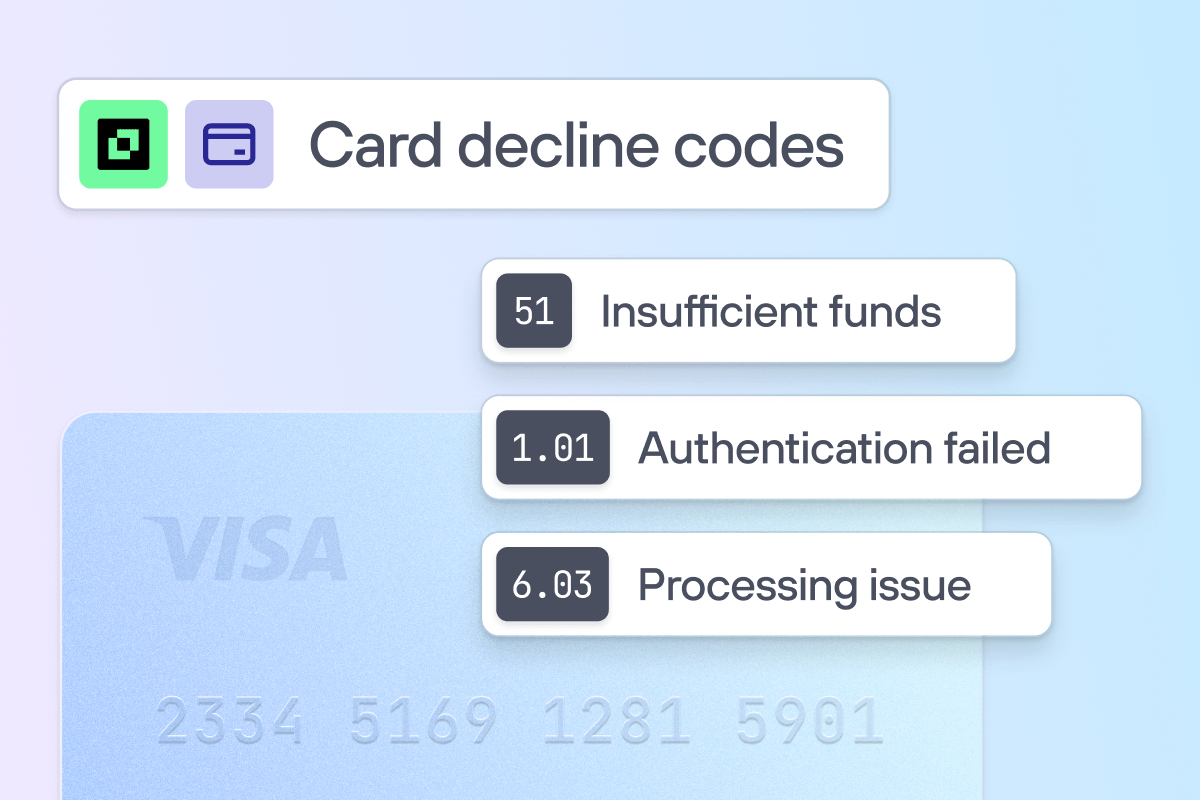
- Involuntary churn happens when a customer intends to keep paying but the payment fails, so the subscription lapses. Expired cards, insufficient funds, and issuer declines on a are common triggers.
The split matters because the two respond to different fixes. Voluntary churn is a product and pricing problem, while involuntary churn is a payments problem that recovery tooling can address directly.
Why it matters
Churn works against every dollar of recurring revenue a business has already earned. A few points of monthly churn compound across a year, so a subscription base leaking customers each month needs a steadily larger stream of new sign-ups just to stay flat.
Involuntary churn is the part most often left on the table. When a renewal charge fails and nothing recovers it, the business loses a customer who never chose to leave. Reclaiming those failed charges restores revenue without any new acquisition spend, which is why failed-payment recovery sits alongside retention work on the finance side.
What drives involuntary churn
Most involuntary churn traces back to a declined renewal charge rather than a customer decision. Typical causes include:
- Expired or reissued cards, where the stored card number is no longer valid at renewal
- Insufficient funds, a soft decline that can succeed on a later attempt
- Issuer declines on recurring charges, where the bank blocks a merchant-initiated transaction it doesn't recognize as expected
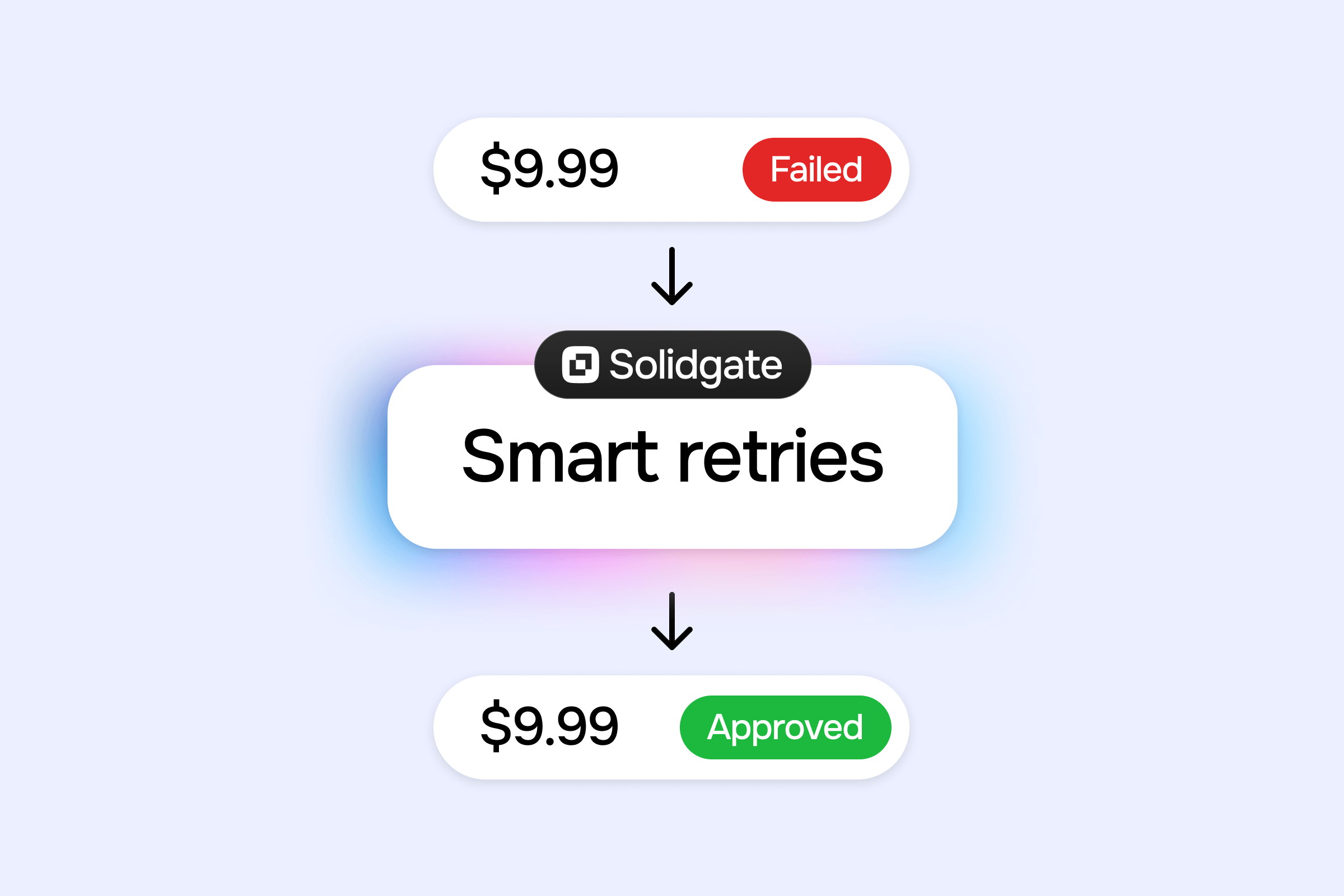
Several mechanisms reduce this loss. manages the sequence of retries and customer notifications after a failed charge. Smart retry timing spaces those attempts to catch soft declines once funds are available. Network and account-updater services refresh stored credentials when a card is reissued, so a renewal doesn't fail on an outdated card.