Credit card
What is a credit card?
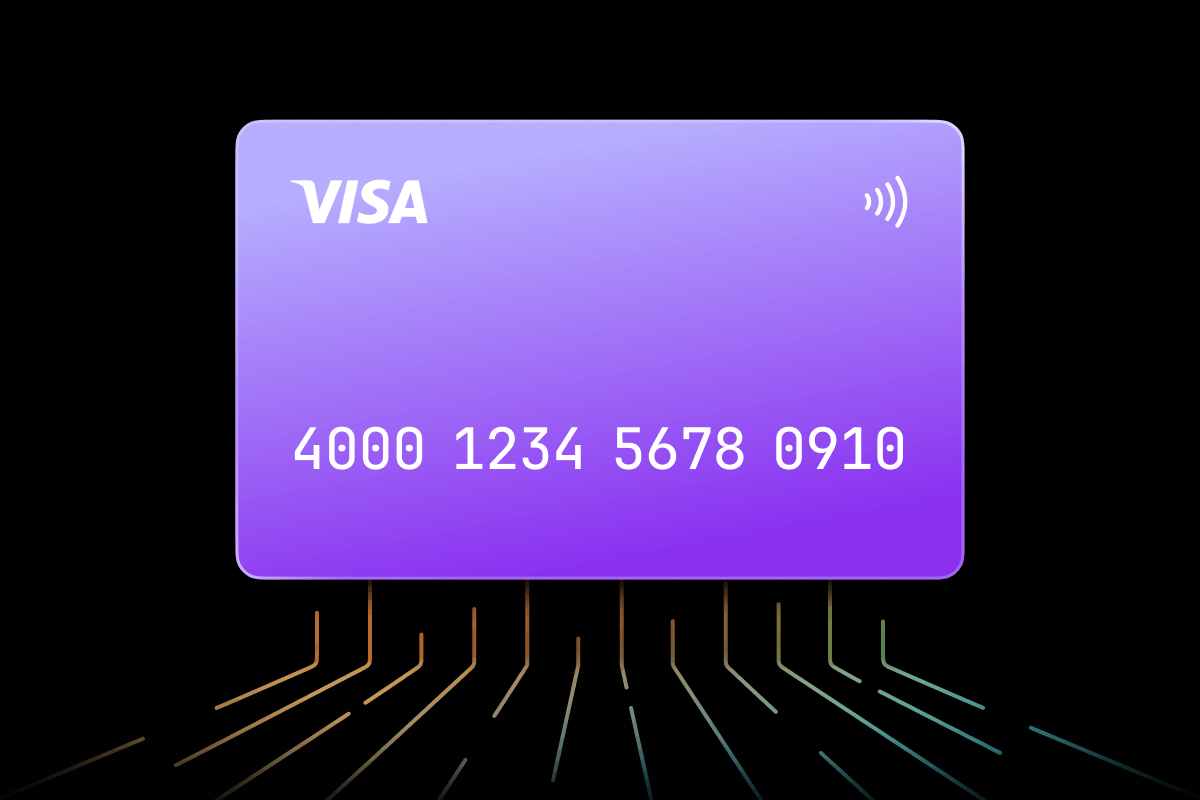
Credit card is a payment card issued by a bank or other financial institution that lets a pay with borrowed funds up to a preset credit limit. The balance is repaid to the in full by the billing date, or over time with interest and any agreed charges.
Limits are preset from the cardholder's credit standing and adjusted as the account ages. Alongside the purchase credit line, issuers often attach a separate cash line of credit that the cardholder can draw as a cash advance at an ATM, at a bank teller, or with convenience checks. Cash advances carry different terms from purchases, including a higher interest rate and no grace period. Credit cards are one of the standard payment methods merchants accept online and in store.
Key facts
- Issued by: banks, credit unions, retailers, and other financial institutions, always under a such as Visa or Mastercard.
- Funding source: a revolving credit line owned by the issuer, not the cardholder's own deposits.
- Limit: preset by the issuer on credit standing, and revised as repayment history builds.
- Repayment: in full by the statement due date, or carried over with interest and agreed charges.
- Common incentives: cash back, statement discounts, and reward miles attached by the issuer.
- Alternatives for thin credit files: secured credit cards, which are backed by a cash deposit, and debit cards.
Types of credit cards
Cards differ mainly by who the credit line belongs to and how it's underwritten:
- Unsecured consumer card: the issuer extends the line on credit history alone, with no deposit behind it.
- Secured card: a cash deposit backs the line, so the issuer can approve applicants with limited or damaged credit history.
- Small business card: the line sits with the business, usually with a personal guarantee from the owner.
- Corporate card: the company carries the liability and the employee spends against a company-set limit.
Rewards programs and co-branded partnerships aren't a separate category. They sit on top of any of these as an overlay.
Why it matters
- Approval depends on room under the credit limit rather than a cash balance, so an can succeed on a credit card at a moment when the same cardholder's debit account would decline.
- on credit cards are generally higher than on debit, so the credit-to-debit mix in a merchant's traffic changes the cost of acceptance. Actual rates vary by market, card type, and local regulation.
- A credit card used online runs as a , where the card is never physically read, so fraud screening and authentication sit on the merchant's side of the flow.
- Stored credentials make credit cards the default rail for : once the card is , the merchant can bill the next cycle without the cardholder re-entering details.
- Cardholders can dispute a credit card charge with the issuer, which makes handling part of the cost of accepting credit.
Credit card vs debit card
Both cards run on the same card networks and use the same authorization flow. The difference is whose money moves, and when.
| Credit card | Debit card | |
| Funds used | Issuer's credit line | Cardholder's own account balance |
| Spending cap | Preset credit limit | Available balance in the account |
| Merchant cost | Generally higher interchange | Generally lower, and capped by regulation in markets such as the EU and UK |
| Cardholder repayment | Billed on a statement cycle, interest if carried | Debited from the account at or shortly after purchase |