Card network
What is a card network?
Card network, also called a card scheme, is the financial infrastructure that connects issuing banks, acquiring banks, and merchants, and sets the rules, message formats, and fee structures that every card transaction follows.
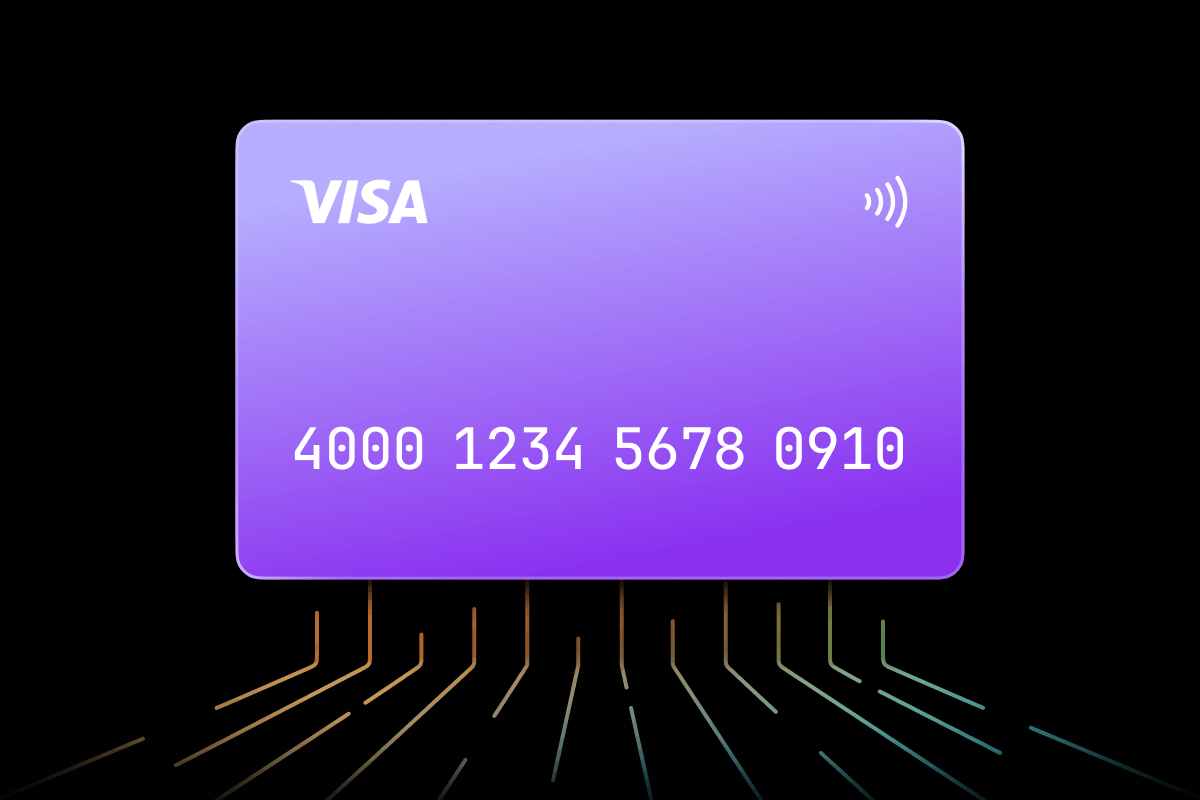
Visa, Mastercard, American Express, Discover, JCB, and UnionPay are the networks behind globally accepted payment cards. In the four-party model, licensed banks issue the cards and hold the accounts while the network operates the rails between them: it carries and clearing messages, defines how is reconciled, and publishes the operating rules that every licensed participant agrees to follow.
Key facts
- Also known as: card scheme, payment network
- Main networks: Visa, Mastercard, American Express, Discover, JCB, UnionPay, Diners Club
- What it controls: the authorization and clearing rails, the ISO 8583 message standard that carries transaction data, the operating rulebook, and the issuer identification ranges encoded in each card's
- How it earns: scheme and assessment fees charged on the volume routed over its rails. rates are published by the network but paid to the .
- Applies to: every credit, debit, and prepaid card transaction routed over a branded network
Types
Networks are grouped by how many parties sit inside the transaction.
- Four-party (open-loop): Visa and Mastercard license banks to issue cards and to sign up merchants. The network itself doesn't issue cards or hold accounts.
- Three-party (closed-loop): American Express, Discover, and Diners Club act as network, issuer, and acquirer at once, dealing with the and the merchant directly. Both Amex and Discover also run licensed-issuer programs in some markets, so one brand can operate under both models.
Why it matters
- Acceptance is network-bound. A card works only where its network is supported, so a merchant selling into mainland China needs acquiring that supports UnionPay alongside Visa and Mastercard.
- Cost of acceptance depends on the brand. Each scheme publishes its own interchange schedules and scheme fees, so an identical basket costs a different amount to process on different networks.
- The network writes the dispute rulebook. , evidence requirements, and filing windows come from the scheme, and is decided by the network when a merchant and an issuer disagree.
- Breaching scheme limits carries penalties. Monitoring programs such as and the apply fines and remediation requirements once a merchant's chargeback or fraud ratio passes the published threshold.
- Authentication rules follow the network. is implemented per scheme as and , and each network defines when applies.
How it compares
| Party | Role in a card transaction |
| Card network | Sets the rules and routes authorization and clearing messages between the two banks |
| Issues the card, holds the cardholder's account, and approves or declines each authorization | |
| Holds the and receives funds on the merchant's behalf | |
| Moves transaction data between the merchant and the network rails |