Merchant account
What is a merchant account?
Merchant account is a type of bank account that lets a business accept and hold card payments before the money moves to its regular business bank account. It sits between the cardholder's card and the merchant's everyday banking, holding funds while each transaction is authorized, captured, and settled.
A business opens a merchant account through an or a , which connects it to the card networks through a and clears incoming payments. Unlike a standard business bank account, a merchant account can't be used for general spending – it exists to receive card transactions, run them through fraud and compliance checks, and pass cleared funds on. Providers configure and price each account around the merchant's industry, volume, and risk profile.
Key facts
- Also known as: merchant processing account or credit card merchant account
- Provided by: an acquirer or a payment service provider
- Identified by: a , the code that ties every transaction to the account
- Applies to: any business accepting card payments online or in person
- Funds flow: card payment, held in the merchant account, then paid out to the business bank account after settlement
How a merchant account works
Behind a single card payment, the account moves money through the acquirer, processor, and card networks in defined stages:
- Authorization – when a cardholder pays, the request goes to the acquirer and card network, which confirm with the issuing bank that the card is valid and the funds are available.
- Capture – the approved amount is marked for collection, often once the order ships or the service is delivered.
- Settlement – during , the acquirer moves the captured funds into the merchant account and reconciles them with the card networks.
- Payout – after fees are deducted and any hold period passes, the balance transfers to the merchant's business bank account.
Types of merchant accounts
Merchant accounts are usually distinguished by how the account is structured:
- Dedicated account – opened in the merchant's own name with its own MID and negotiated pricing. It gives an established business more control over terms and payout timing.
- Aggregated (shared) account – the merchant operates under a provider's pooled account and MID, the model payment facilitators use. Onboarding is quicker, but the business has less control over terms.
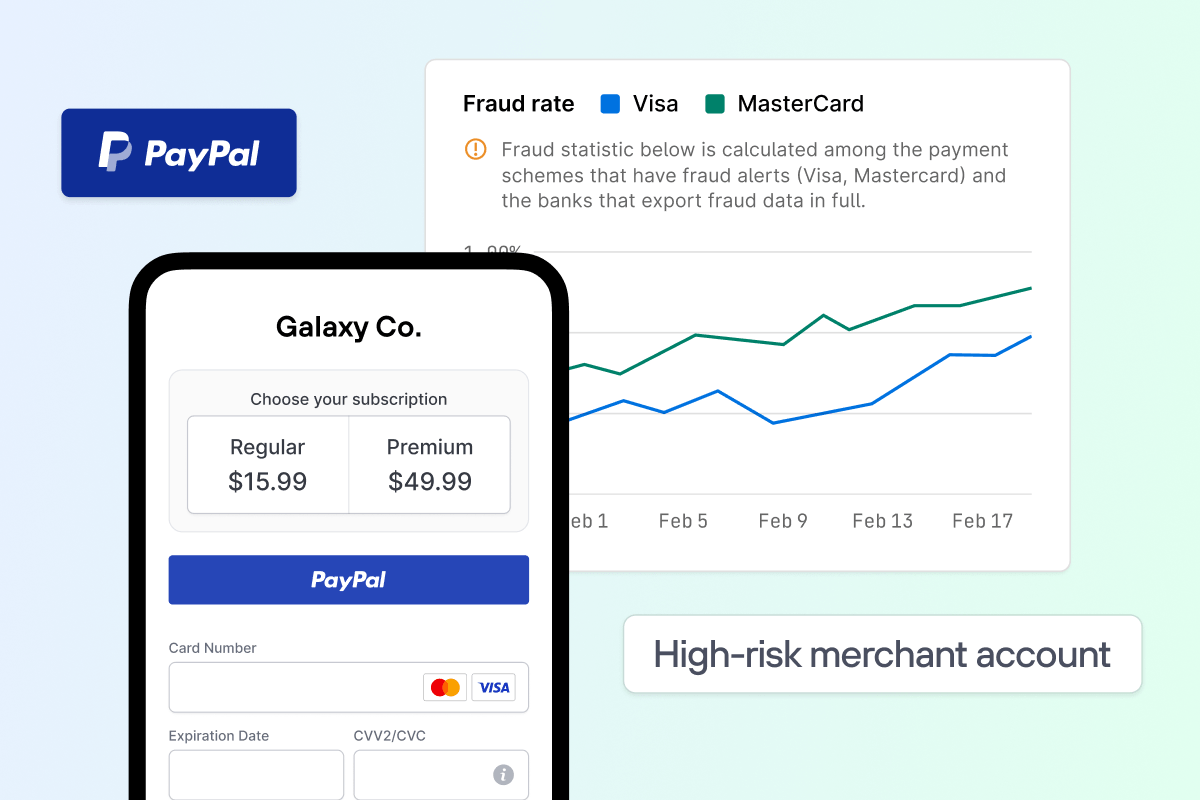
Cutting across both is a risk classification. Providers assess industry, chargeback history, and refund rates, and a account comes with stricter terms, higher fees, and often a held reserve.
Why it matters
- Without a merchant account, a business can't accept card payments at all – card transactions have to clear through an account the networks recognize.
- Opening one requires : the provider reviews the business before approving it, so the terms reflect how risky it judges the business to be.
- The account's risk classification and shape the fees a business pays, including and the acquirer's markup.
- Terms attached to the account decide when revenue actually reaches the bank, because and hold periods keep part of each payout back for a set time.