What Is a Merchant Identification Number? MID Definition
What is a merchant identification number?
Merchant Identification Number (MID) is a unique numerical identifier assigned to each so banks and card networks can tell one merchant apart from another in the payment system. The acquiring bank or payment service provider issues it when the merchant account is opened.
Once assigned, the MID is embedded in the data sent with every transaction. It travels through authorization and , which lets each party route, record, and reconcile a payment to the correct merchant.
A MID identifies the merchant account itself, not a single card reader or the type of business. A point-of-sale terminal carries its own terminal ID, and the industry a merchant operates in is captured separately by a . A business with several accounts, brands, or locations can hold more than one MID.
Key facts
- Also known as: MID, merchant ID, or merchant number
- Assigned by: the acquiring bank or payment service provider, when a merchant account is opened
- Format: a numeric string whose exact length and structure vary by acquirer
- Scope: identifies one merchant account; a single business can hold several MIDs
- Stays with the account: a MID generally remains constant for the life of the merchant account
- Used in: authorization, settlement, reporting, reconciliation, and fraud monitoring
What a MID does
During processing, card networks route authorizations and settlements using the MID to identify the merchant account behind each transaction. It supports several functions:
- Routing each transaction to the correct merchant account
- Attributing payments in reports for accounting
- Directing settlement deposits to the assigned bank account
- Assessing fees and incentives tied to the account
- Flagging suspicious activity in monitoring
The MID is part of the information transmitted during the authorization and settlement phases, which keeps processing traceable from the first request to the final payout. Reports from the acquirer, the card networks, and the merchant can all be matched on the same MID, which is what makes end-to-end accounting possible.
Why it matters
Because the MID ties every transaction to a specific merchant account, it underpins accurate payouts and clean financial records. Finance teams rely on it to match deposits against the orders that produced them. If a transaction carries the wrong MID, the settlement can land in the wrong account and reconciliation breaks, forcing a manual fix.
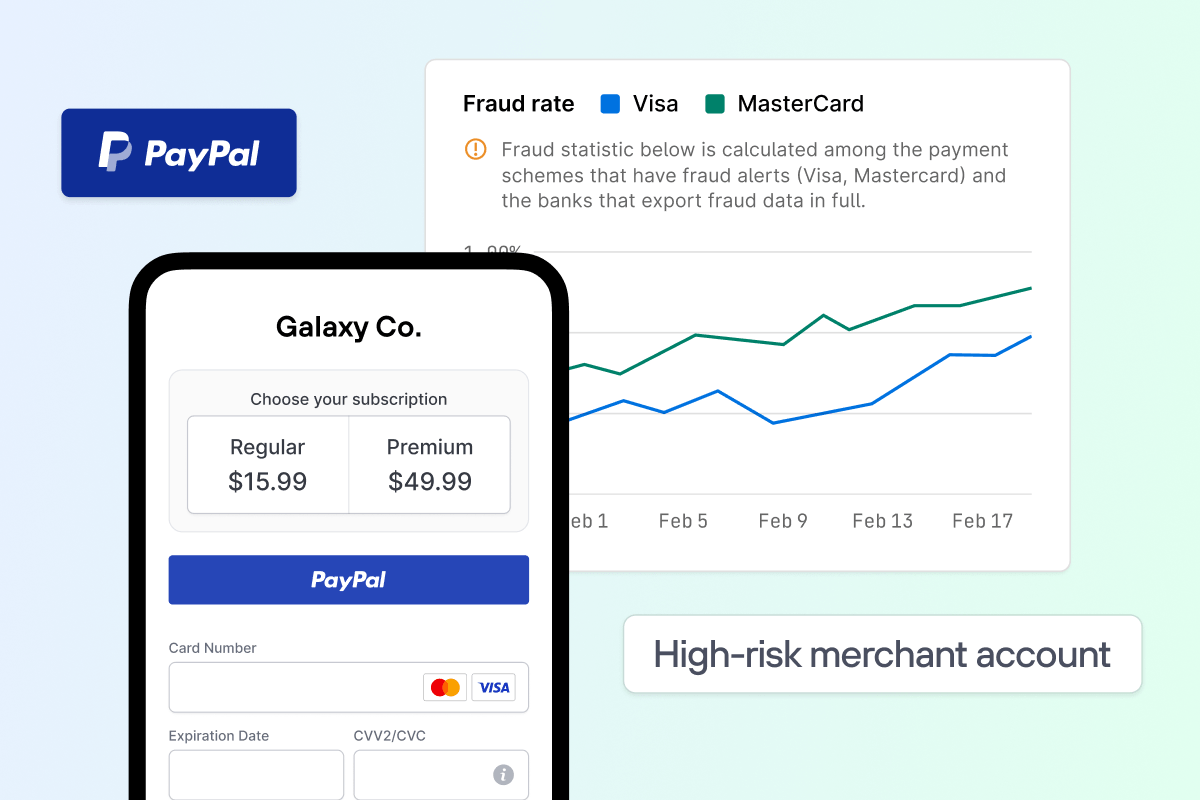
Acquirers and card networks also read the MID to apply the correct pricing to an account and to monitor its activity. When fraud or excessive chargebacks build up, the MID is how that activity is traced back to its source – and a record of repeated problems on one MID can lead an acquirer to raise fees or close the account.
Where to find a MID
- Merchant: it appears in the payment service provider or acquirer dashboard and on monthly processing statements, often labeled "MID" or "merchant number."
- Cardholder: the MID isn't printed on a card statement. A cardholder who needs it contacts the merchant, whose on the statement shows who to ask.
- Developer: the MID is exposed in the acquirer or processor API and in transaction and settlement reports, usually as a dedicated merchant identifier field.