Net revenue retention
What is net revenue retention?
Net revenue retention (NRR) is the percentage of recurring revenue a business keeps from its existing customers over a set period, after accounting for upgrades, downgrades, and cancellations. Also called net dollar retention (NDR), it measures the health of a customer base and doesn't count any revenue from new customers.
NRR is a core metric for subscription and SaaS businesses, where revenue compounds month over month. A figure above 100% means expansion from existing customers outweighs the revenue lost to downgrades and cancellations, so the base grows on its own. Below 100% means revenue is leaking faster than current customers add more, and the business has to win new customers just to stay flat.
Key facts
- Formula: NRR = (Starting MRR + expansion MRR − contraction MRR − churned MRR) ÷ Starting MRR × 100
- Also known as: net dollar retention (NDR)
- Applies to: subscription, SaaS, and other businesses
- Measures: revenue retained from existing customers only, excluding revenue from new customers
- Reference point: above 100% is net expansion, exactly 100% is flat, below 100% is net contraction
How net revenue retention is calculated
NRR compares the recurring revenue of a customer cohort at the end of a period against what that same cohort produced at the start. Four inputs drive the result:
- Starting MRR – recurring revenue from the cohort at the start of the period.
- Expansion MRR – added revenue from upgrades, add-ons, or seat increases.
- Contraction MRR – revenue lost to downgrades or reduced usage.
- Churned MRR – revenue lost when customers cancel outright.
Say a cohort starts the month at $100,000 in MRR. Over the month it adds $15,000 in upgrades, loses $5,000 to downgrades, and loses $8,000 to cancellations. NRR = (100,000 + 15,000 − 5,000 − 8,000) ÷ 100,000 × 100 = 102%. The two points above 100% show that expansion slightly outpaced the combined loss from contraction and churn. New customers signed during the month are excluded, because NRR tracks only the revenue the cohort carried in.
What affects net revenue retention
- Voluntary churn: customers who actively cancel remove their recurring revenue from the base.
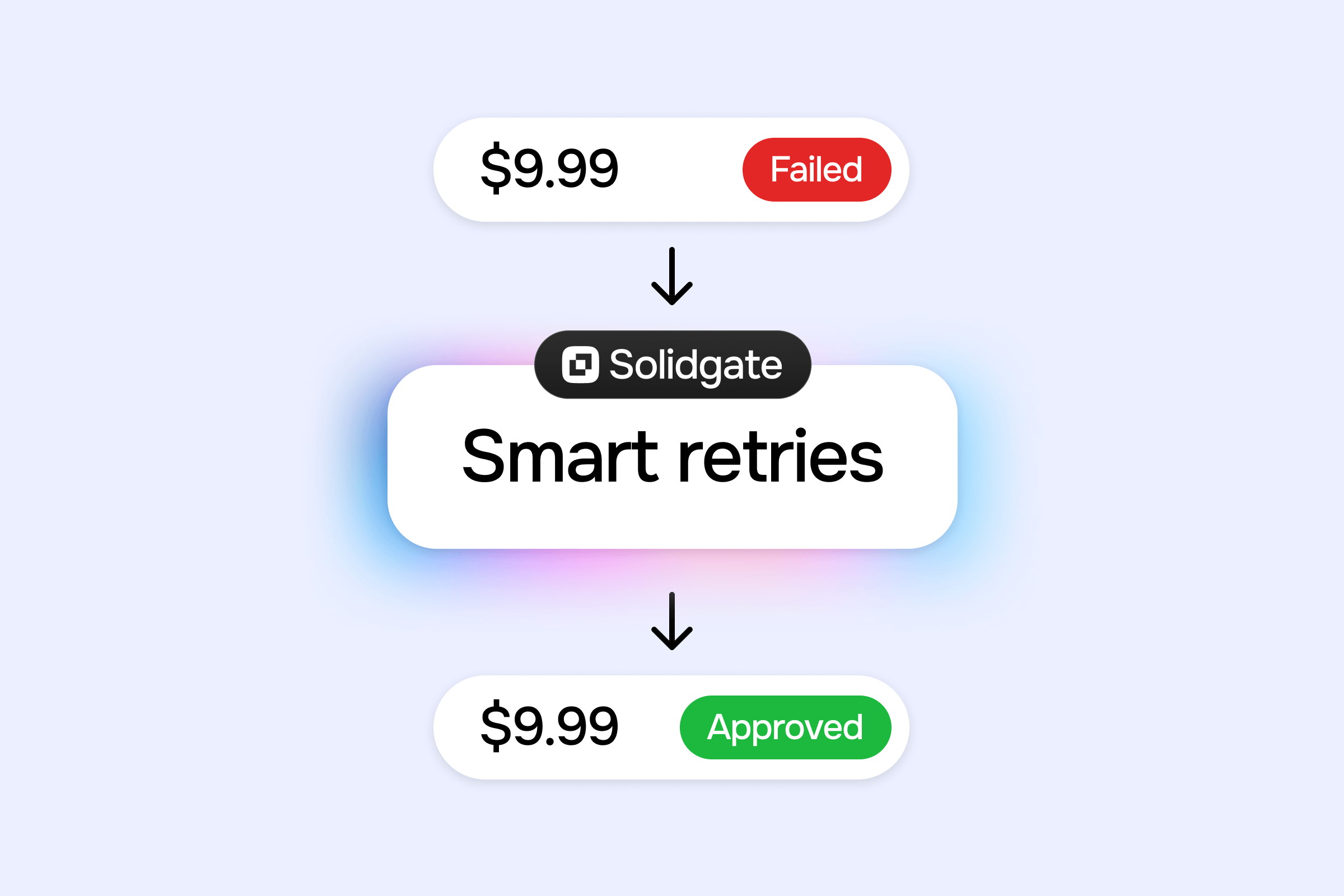
- Involuntary churn: renewals that fail on expired cards or insufficient funds. Recovering these through before they turn into lost subscriptions feeds directly back into NRR.
- Refunds and downgrades: a reverses revenue already booked, and a downgrade lowers the recurring amount, so both pull the number down.
- Expansion: upsells, add-ons, and seat increases are what push NRR above 100% and let retained revenue outgrow the losses.
Why it matters
- NRR isolates the durability of revenue a business already has, so it exposes decay that new-customer growth can mask. A company can post strong top-line growth while its existing base quietly shrinks.
- Retained revenue carries no new acquisition cost, so a high NRR compounds: revenue from existing customers grows period over period without added sales spend.
- Investors and boards read NRR as a proxy for product stickiness and pricing power, which makes it a standard input to subscription-business valuations.