Payment instrument
What is payment instrument?
Payment instrument is the tool a payer uses to authorize a transaction – a card, a bank account, a digital wallet, or another mechanism a payment system accepts as a valid way to move funds. It's not the same as , which refers specifically to instruments other than cards.
A checkout page or payment form doesn't accept every instrument a payment system could theoretically support; it offers a set the merchant has chosen to enable. Which instrument a customer picks affects how the payment gets authenticated, how quickly it settles, and which fees apply, since each instrument type runs over a different rail with its own rules.
Key facts
- Also known as: payment method, tender type
- Not to be confused with: , the subset of instruments that aren't cards
- Categorized by: the underlying rail it runs on – card network, bank transfer scheme, or digital wallet
- Selected: at checkout, from the set of instruments a merchant's payment form or gateway supports
- Determines: which authentication flow, settlement time, and fee structure apply to a transaction
Types
Grouped by the rail each instrument runs on:
- Card-based: and debit cards processed through a card network such as Visa or Mastercard
- Bank-based: , , and transfers that pull or push funds straight from a bank account
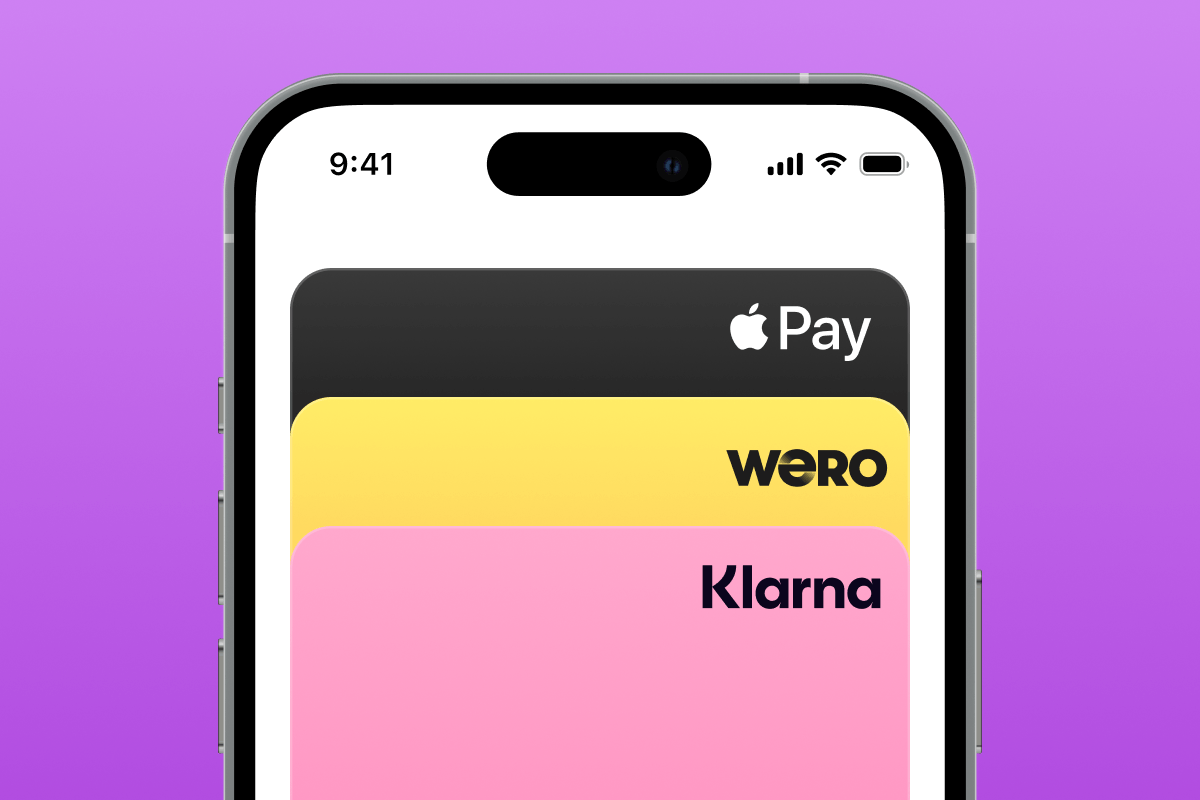
- Digital wallet: a that sits on top of a stored card or bank instrument and passes a token to the merchant instead of the underlying details
- Alternative and local instruments: region-specific options such as bank-transfer or buy-now-pay-later instruments that don't run over global card rails, covered under alternative payment method
These categories aren't mutually exclusive from a customer's point of view – a digital wallet, for example, is usually funded by a card or bank instrument underneath.
Why it matters
The instrument a customer picks changes what happens next in the transaction. A card payment can require authentication and settle in a few days; a direct debit skips card authentication entirely but can take longer to confirm and carries a return risk if the account lacks funds. Merchants configure their payment form around a specific set of instruments because supporting each one means integrating its own authentication and settlement behavior, not just adding a button.