Push-to-card
What is push-to-card?
Push-to-card is a payment method that sends funds directly to a recipient's payment card – usually a debit or prepaid card – without routing through a traditional bank account. Instead of pulling money from a card at checkout, push-to-card moves money the other way: the network delivers a credit to the card, which is why it's also called a card payout.
It uses the existing and the same rails that process everyday purchases, so a recipient needs only a valid card number to receive money. Businesses use push-to-card to disburse funds in near real time – gig-economy earnings, insurance claims, marketplace seller balances, refunds, and account withdrawals – and it reaches people who don't have an accessible bank account or who prefer to be paid on the same card they spend with.
Key facts
- Also known as: card payout, instant payout to card
- Direction: a credit (push) transaction, the opposite of a at checkout; push-to-card is one form of
- Card types: primarily debit and prepaid cards; eligibility to receive credits depends on the issuer
- Network rails: Visa Direct and Mastercard Send carry these credits across the card networks
- No bank account required: funds settle to the card itself, identified by its number
How it works
- Payout initiation – A business or platform submits a payout request with the recipient's card number through a or PSP.
- Eligibility and routing – The processor confirms the card can receive credits and routes the request to the relevant .
- Original Credit Transaction – The network sends a credit message, known as an Original Credit Transaction (OCT), to the . This is the reverse of a standard purchase authorization.
- Issuer posts the funds – The issuing bank credits the card account with the amount sent.
- Funds become available – The recipient can spend or withdraw the money, often within minutes rather than the days a bank transfer can take.
Why it matters
- Speed: because the credit travels over card rails, money typically reaches the card within minutes, instead of the one to three business days a standard bank transfer can take.
- Reach: a recipient needs only a card number, so businesses can pay people who lack a linked bank account or who expect to receive money on the card they already use.
- Fewer failed payouts from bad bank details: the card number is validated through the network, which removes the mistyped account-number and IBAN errors that delay or bounce bank transfers.
Common issues
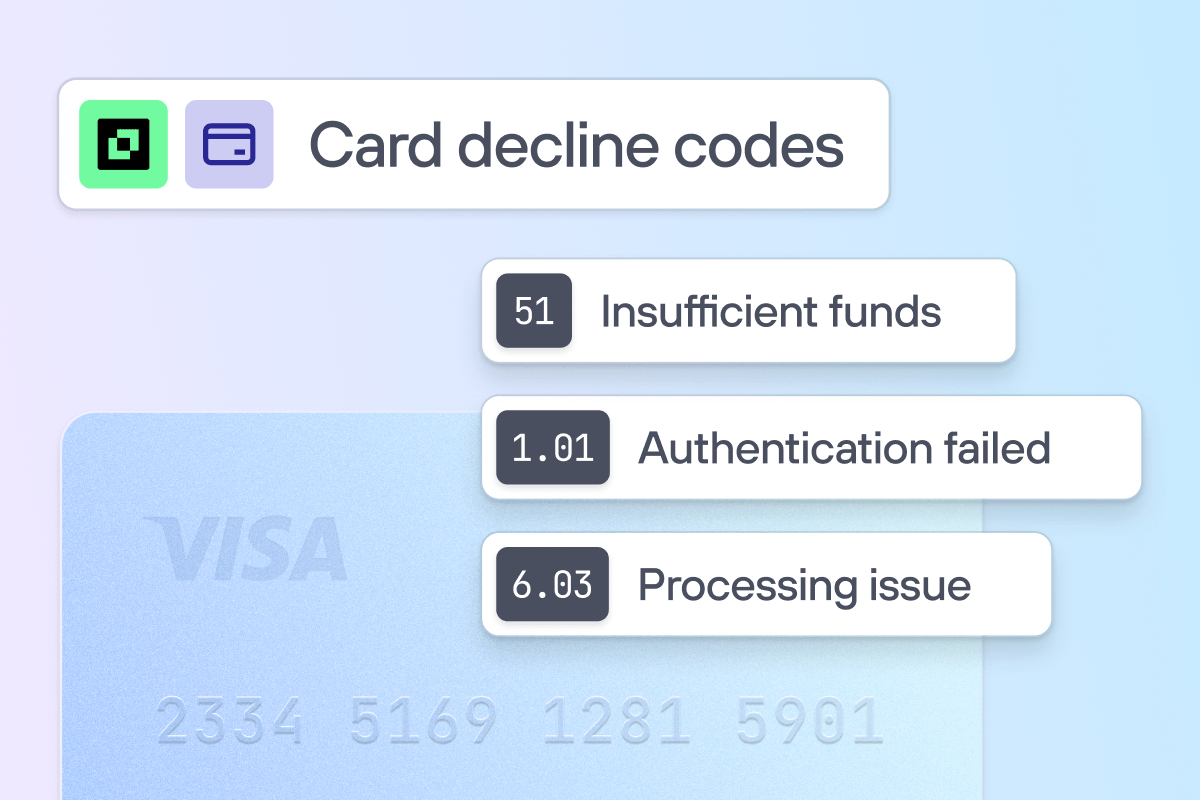
- Card eligibility: not every card or issuer supports inbound credits, so a payout can be declined and may need a bank-transfer fallback.
- Expired or closed cards: funds can't post to a card that's no longer active, and the payment returns to the sender.
- Limits: networks and issuers cap the value and frequency of credits a single card can receive.
- Cross-border and currency: sending to a card in another country adds currency conversion and isn't supported on every corridor.