What Is Chargeback Threshold?
What is chargeback threshold?
Chargeback threshold is the maximum share of disputed transactions a merchant can reach in a given month before card networks and acquirers apply penalties. Once an account crosses that limit, it enters a monitoring program with escalating fines and, in prolonged cases, loss of processing.
Thresholds exist because push cost and liability onto the that underwrote the merchant. Visa and Mastercard set network-wide limits, and each acquirer or can enforce a stricter internal ceiling on top of them. Because the limit is a ratio rather than a raw count, tolerance scales with volume: a business processing 500,000 transactions a month absorbs more disputes than one processing 5,000 before reaching the same percentage.
Key facts
- Also known as: chargeback threshold ratio (CTR), dispute ratio
- Formula: first chargebacks in the current month ÷ sales transactions in the counting period. The counting period varies by scheme – Visa's method measures against the previous month's transaction count
- Set by: card networks, with acquirers and processors free to enforce tighter internal limits
- Measured over: a calendar month
- Counts: first chargebacks only. and retrieval requests sit outside the ratio
How it's calculated
The threshold itself is a fixed percentage published by the scheme. What moves is the merchant's own , measured the same way each month and compared against that ceiling.
- Count first chargebacks. Every an files in the month counts once, whether or not the merchant later wins it. A successful representment doesn't remove the original dispute from the numerator.
- Count sales transactions. The denominator is the settled transaction count for the counting period the scheme defines.
- Divide and compare. The resulting percentage is measured against the network limit and against any lower ceiling written into the merchant agreement, so the stricter of the two is what binds.
Penalties
Crossing the limit moves the account into a scheme . Visa consolidated its dispute and fraud monitoring into the Visa Acquirer Monitoring Program (VAMP) in 2025; Mastercard identifies breaching accounts under its Excessive Chargeback Program. Consequences stack:
- Monthly fines that escalate for each month the account stays above the limit
- Per-dispute review fees charged on top of the chargeback itself and the underlying
- A rolling withheld from settlements to cover projected dispute liability
- Reclassification as a , which raises pricing at every acquirer the business approaches
- Termination of the , with the business added to the MATCH list acquirers screen during underwriting
How to improve
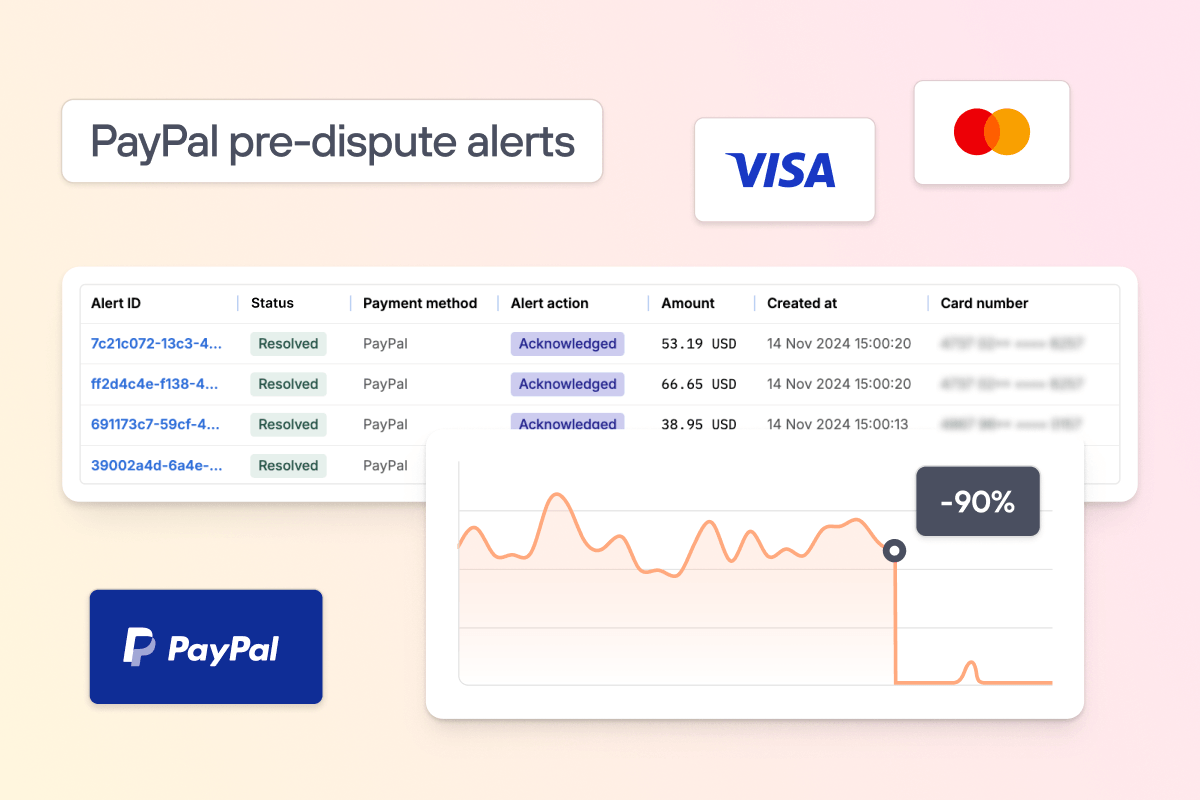
- Pre-dispute alerts. Refunding a transaction while it's still an inquiry resolves it before a chargeback is filed, so it never enters the numerator.
- Clear billing descriptors. A descriptor the doesn't recognize on a statement generates disputes on otherwise legitimate orders.
- 3D Secure on risky traffic. Authenticated transactions carry a to the issuer for fraud disputes, keeping those disputes off the merchant's ratio.
- Self-service cancellation. A cardholder who can cancel a subscription in account settings has no reason to call the issuer instead.