Customer acquisition cost
What is customer acquisition cost?
Customer acquisition cost (CAC) is the total amount a business spends on sales and marketing to win one new customer over a given period. You calculate it by dividing that spend by the number of new customers gained in the same window.
CAC is a core unit-economics metric. It tells a company how much it pays for growth and whether each new customer is worth more than it cost to bring in. When CAC climbs faster than the revenue a customer generates, growth starts to lose money.
Key facts
- Formula: CAC = total sales and marketing spend ÷ new customers acquired in the same period.
- What counts as spend: ad budget plus the salaries of sales and marketing staff, agency fees, tooling, and creative production, not media cost alone.
- Period alignment: spend and new-customer counts are measured over the same window (month, quarter, or year) so the two line up.
- How it's read: CAC is most useful next to the lifetime value a customer generates and the payback period, the time it takes for a customer to earn back what they cost.
How customer acquisition cost is calculated
CAC divides everything spent to acquire customers by the number of customers acquired:
CAC = total sales and marketing spend ÷ number of new customers acquired
For example, a business that spends $50,000 on sales and marketing in a quarter and signs up 500 new customers has a CAC of $100. Measured per channel, a source that costs $20,000 and brings in 100 customers carries a CAC of $200, twice that blended average.
A fully loaded CAC also folds in the salaries, software, and overhead tied to acquisition. That version usually runs higher than a media-only estimate, and it's the one that reflects the true cost of growth.
What affects customer acquisition cost
- Channel mix: paid channels usually carry a higher CAC than organic search, referral, or word-of-mouth.
- Targeting quality: reaching people who actually convert cuts the spend wasted on prospects who never buy.
- Sales cycle length: longer cycles tie up more salaried time per customer closed.
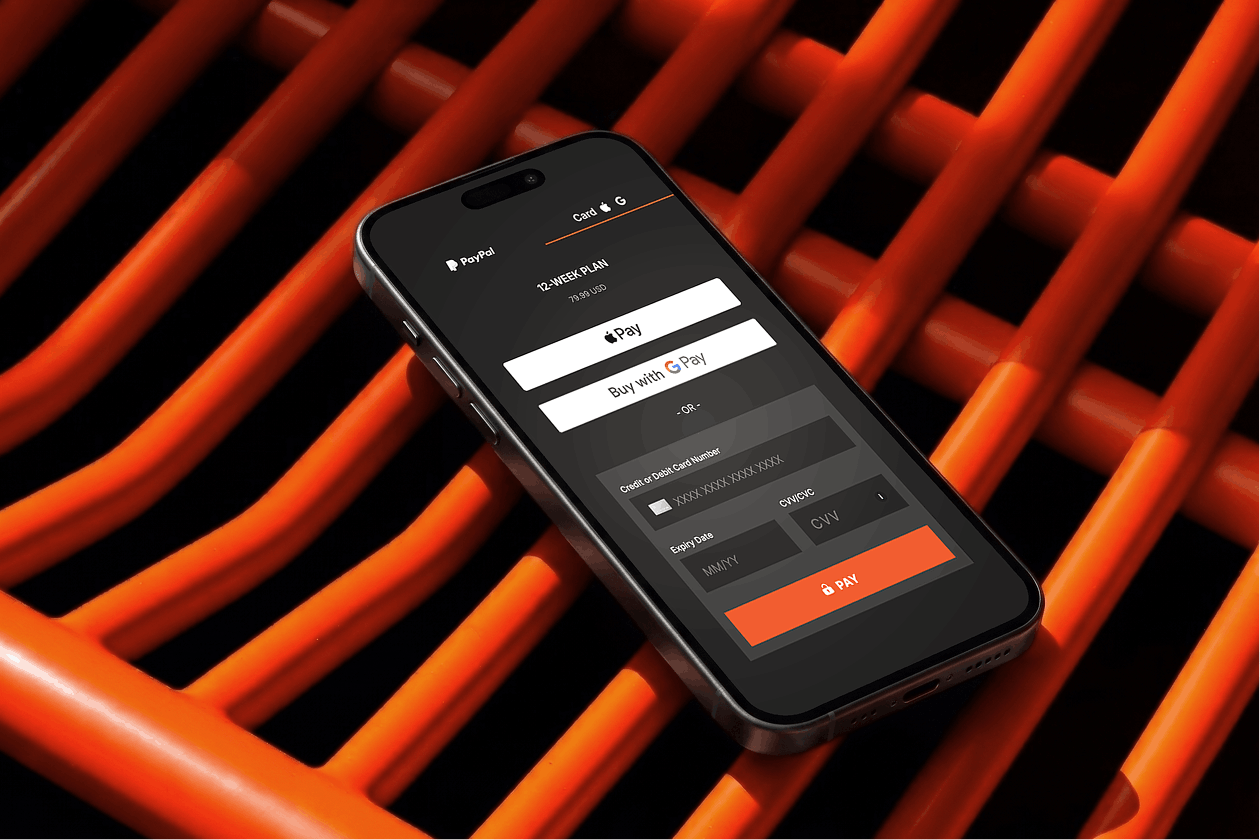
- Checkout conversion: spend that drives traffic is lost when shoppers abandon at the , so a weak checkout raises effective CAC.
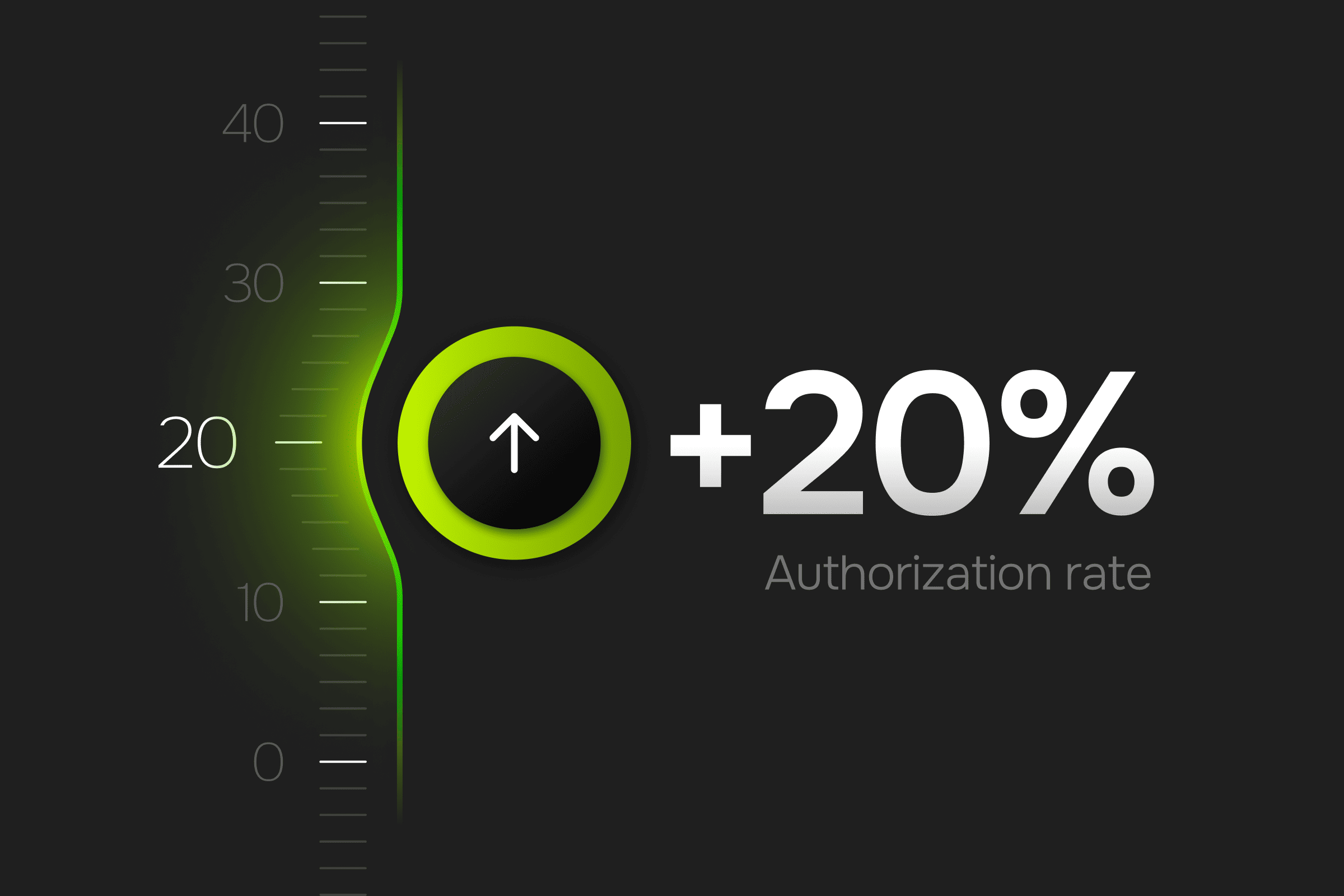
- Payment success: when a card is declined at signup, the business has paid to acquire a customer who never actually paid, so a low inflates the real cost per paying customer.
How to reduce customer acquisition cost
Businesses lower CAC along two lines: spending more efficiently, and keeping more of the customers they already paid to acquire. Common levers include:
- Shifting budget toward channels with a lower CAC and stronger retention.
- Improving checkout so more acquired shoppers complete payment, lifting the on spend that's already been made.
- Recovering failed through , so involuntary churn doesn't waste the original acquisition spend.
- Cutting refunds and a high , which strip revenue from customers CAC has already paid for.
- Working with a that maximizes authorization rates across markets.