Order insight (OI)
What is order insight (OI)?
Order Insight (OI), previously known as Visa Merchant Purchase Inquiry (VMPI), is a tool that enables merchants to prevent Visa by providing transaction details to card in real time. Operated by Verifi, a Visa company, it connects the issuer's dispute intake to merchant order data at the moment a questions a charge.
The detail shared through OI covers company information, order and item data, cardholder data, product descriptions, and delivery or usage evidence. It reaches the issuer while the cardholder is still on the call or in the banking app, which is what separates a from anything that happens after a chargeback exists.
Key facts
- Also known as: Visa Merchant Purchase Inquiry (VMPI), the service's name before Verifi rebranded it
- Operated by: Verifi, a Visa company, as part of Visa's pre-dispute resolution tools
- Network scope: Visa transactions only. Mastercard's issuer-facing equivalent is , delivered through Ethoca.
- Stage in the lifecycle: pre-dispute. OI runs during the , before a is assigned and before the case enters the .
- Data returned: merchant name and , order and item detail, cardholder and delivery data, digital-goods usage evidence
- Primary target: and "I don't recognize this charge" inquiries, which map to Visa reason code 10.4 once they escalate
- Integration: merchant order data is exposed to Verifi through a PSP connection or a direct API feed
How it works
- Merchant order data is made available. Transaction and order records are exposed to Verifi through the merchant's PSP or a direct API connection, keyed to the identifiers a cardholder sees on the card statement.
- The cardholder questions a charge. The cardholder contacts their issuer about a line item they don't recognize or want reversed.
- The issuer queries in real time. The issuer's call-center or mobile-banking system sends a lookup to Verifi, which returns the merchant's stored detail during the conversation.
- Context is presented to the cardholder. The agent or the app screen shows what was bought, when, from which brand, and how it was delivered or used.
- The inquiry resolves or escalates. Recognizing the purchase, the cardholder drops the inquiry and no chargeback is filed. If the cardholder still disputes the charge, the case moves into the standard flow with the merchant's transaction detail already on record.
Why it matters
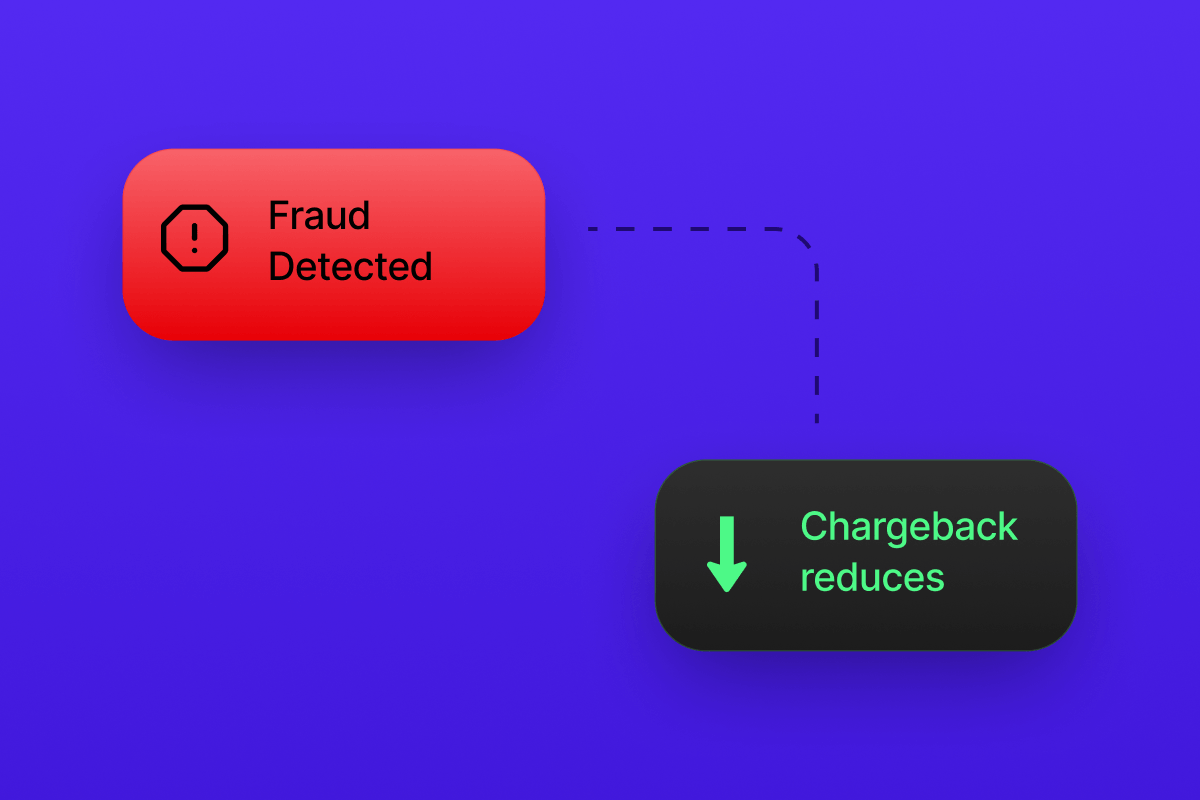
An inquiry deflected at the issuer never becomes a formal dispute, which changes the merchant's economics at several points:
- A deflected inquiry doesn't count toward the merchant's , so it can't push the account toward a scheme monitoring program.
- The merchant avoids the chargeback fee and the operational cost of assembling for a case that started as simple confusion.
- Issuer-side context addresses a common driver of unrecognized-charge disputes: a billing descriptor that doesn't match the brand name the cardholder bought from.
- Subscription and digital-goods merchants surface renewal dates and usage history at the moment the cardholder is deciding whether the charge is legitimate, rather than weeks later in a representment file.
Common issues
- Issuer coverage gaps. OI only answers lookups from issuers that have implemented it, so deflection results vary by issuer and region.
- Thin or stale order data. A record without item detail, delivery status, or usage history gives the agent nothing persuasive to show the cardholder.
- Visa-only scope. Mastercard, Amex, and Discover volume needs separate coverage. and Consumer Clarity handle the Mastercard side.
- Pre-dispute scope only. OI operates before a dispute exists. Once a chargeback is filed, the merchant answers it through the standard dispute process, and other Verifi services such as handle refund-based outcomes.
- Descriptor problems persist. OI compensates for a confusing descriptor at the inquiry stage, but the descriptor itself still drives how many inquiries get raised.