Cardholder Dispute Resolution Network
What is Cardholder Dispute Resolution Network?
Cardholder Dispute Resolution Network (CDRN) is a proprietary solution developed by Verifi that serves as a mediator in the process. This platform is among several alert networks that aim to preemptively address chargebacks by notifying merchants of disputes before they escalate.
Through CDRN, merchants resolve disputes directly with the and avoid the chargeback process altogether. Verifi has been a Visa company since 2019, and CDRN runs as a network of participating : when an enrolled issuer takes a dispute call, the case is routed to the merchant as an alert instead of straight into the chargeback flow. Both sides have to be enrolled, so alert coverage depends on which issuing banks take part.
Key facts
- Operated by: Verifi, a Visa company since 2019
- Alert trigger: a cardholder contacts their issuing bank to dispute a charge, and the bank routes the case into the network rather than filing immediately
- Response window: roughly 72 hours to or decline the alert before the chargeback is filed
- Resolution method: manual review of each alert, which Verifi describes as delayed decisioning. automates the same outcome against preset rules
- Cost: a per-alert fee paid by the merchant on top of the refunded transaction amount. Pricing varies by provider and volume
- Coverage: issuer participation is concentrated among US banks, so alerts reach the merchant only when the cardholder's issuing bank is enrolled
How it works
- The cardholder disputes a charge. They contact their issuing bank about a they don't recognize, didn't authorize, or aren't satisfied with.
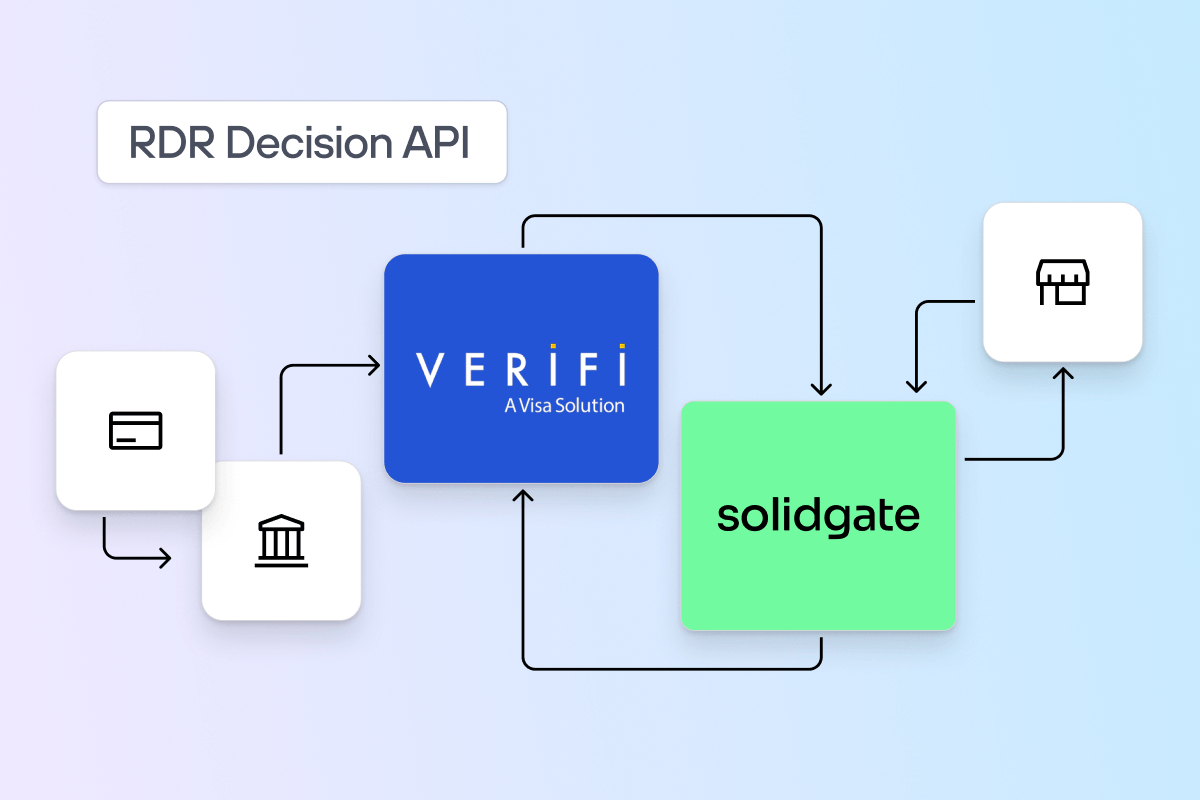
- The issuer routes the case into the network. Instead of opening a chargeback right away, an enrolled issuing bank passes the case to Verifi as a CDRN alert.
- The merchant receives the alert. It carries the transaction details needed to match the case to an order, usually through the merchant's or a dedicated .
- The merchant decides inside the response window. Refunding closes the case and stops the chargeback. Declining the alert sends the case back into the normal flow, where the merchant can still defend it with .
- Verifi reports the outcome to the issuer. A refunded case is closed at the issuer and never becomes a chargeback, so it never lands in the merchant's chargeback count.
Why it matters
- A case resolved through CDRN never registers as a chargeback, so it doesn't count toward the ratios tracked by Visa and Mastercard
- Closing the case before filing avoids the the charges per dispute, which is levied whether or not the merchant later wins
- The alert names the disputed transaction directly, which lets the merchant find the order and issue the refund in hours rather than waiting weeks for a and a representment cycle
- Alerts surface early: a cardholder who forgot a subscription charge can be refunded before the claim hardens into a filed
Common issues
- Duplicate refunds. If support already refunded the order and the alert is accepted as well, the cardholder receives two credits. Matching alerts against refunds already issued is the usual control.
- Missed windows. The response window is short, and an alert that goes unanswered converts to a chargeback with the fee attached.
- Coverage gaps. Alerts arrive only from enrolled issuing banks, so a merchant with a broad international cardholder base sees a share of disputes bypass the network entirely.
- Forfeited wins. Accepting an alert means paying back a transaction the merchant might have won at representment, which matters most for merchants with a strong on the reason codes in question.
- Per-alert economics. On low-value transactions, the alert fee plus the refund can exceed what the chargeback itself would have cost, so merchants commonly filter which alerts they auto-accept by ticket size.