Rebilling
What is Rebilling?
Rebilling is the automatic re-charging of a customer's stored payment method each time a subscription or recurring plan renews. It lets a merchant collect repeat payments without asking the cardholder to re-enter their card details for every cycle.
Rebilling is the mechanism that keeps subscription revenue flowing. Once a customer authorizes the first payment, their card is saved as a token and reused on the renewal date set by the billing schedule. The term covers both the successful renewal charge and the retry attempts that follow a decline. Not to be confused with recurring billing, which describes the overall model for charging customers on a schedule; rebilling is the individual charge event within that model.
Key facts
- Also known as: automatic renewal charge, subscription re-charge
- Applies to: subscriptions, memberships, installment plans, and usage-based billing
- Depends on: a stored payment credential (see ) and a
- Triggered by: the billing schedule, not a cardholder action
- Failure handling: declined re-charges enter a retry sequence, often managed through
How it works
- Initial authorization – The customer completes a first and consents to being charged again on future dates.
- Credential storage – The card is saved as a token rather than raw card data, so it can be reused for later charges securely.
- Renewal trigger – When the billing cycle ends, the billing system schedules the next charge automatically.
- Merchant-initiated charge – The stored token is submitted as a , with no customer present at checkout.
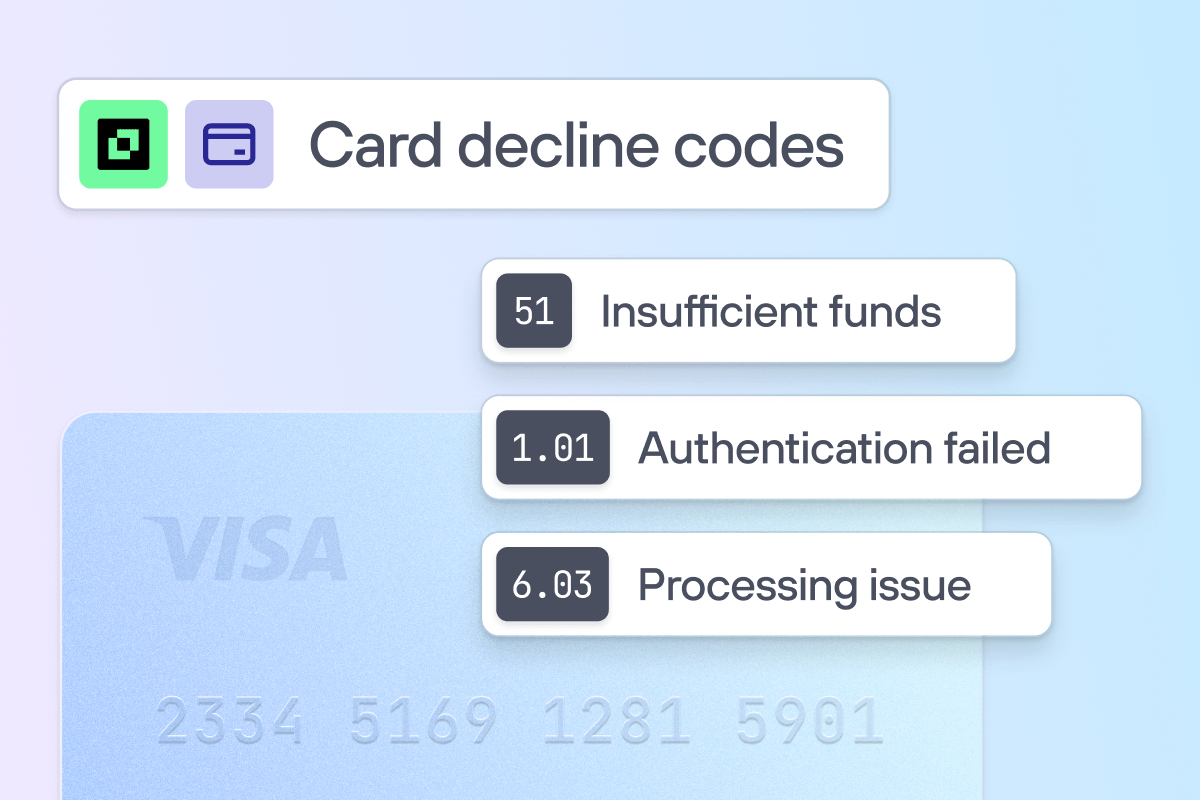
- Authorization response – The issuer approves the charge or returns a . Approved charges renew the plan; declined ones move to retry.
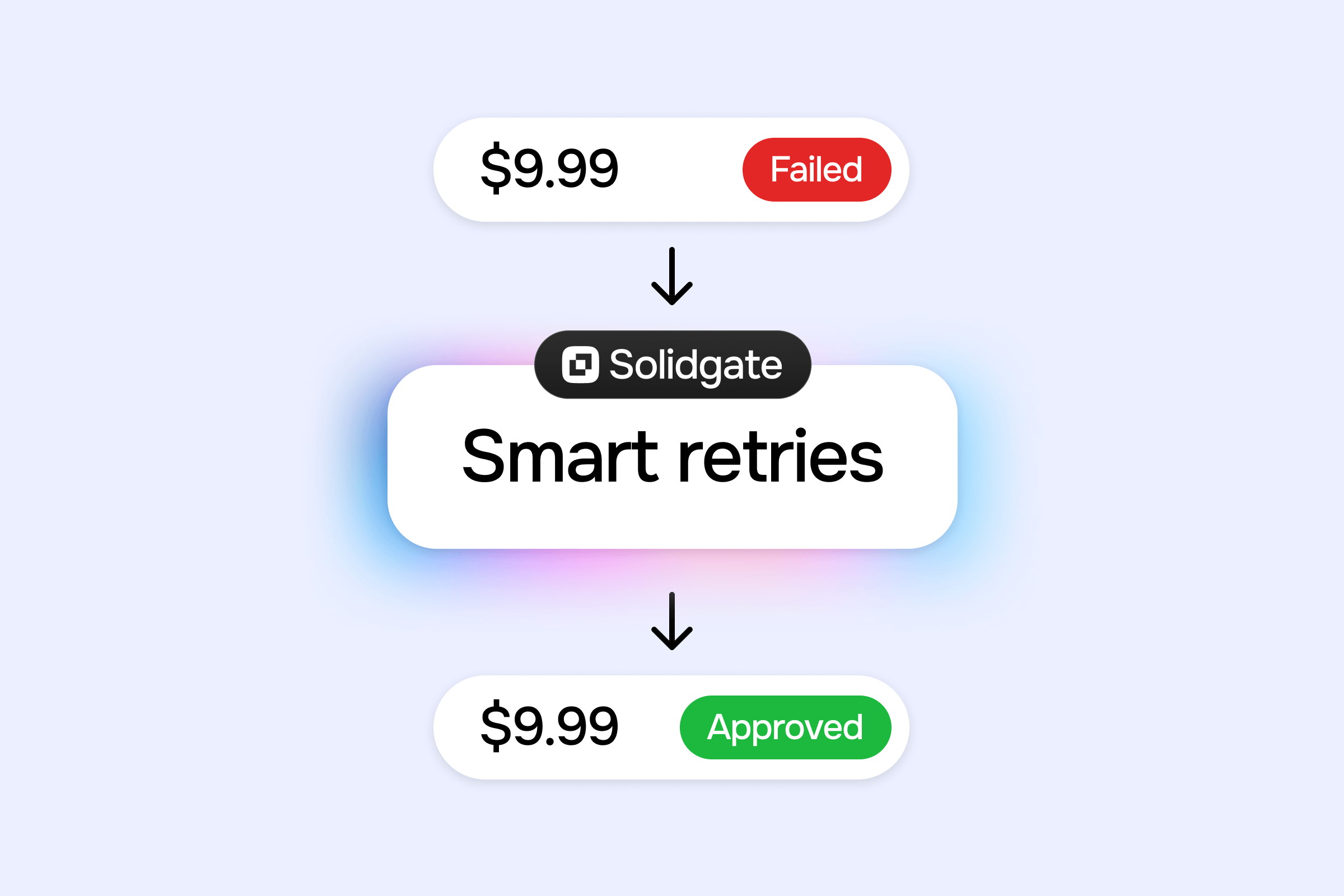
- Retry and recovery – Failed charges are retried on a schedule and, where needed, escalated through emails asking the customer to update their card.
Rebilling vs recurring billing
These two terms are often used interchangeably, but they sit at different levels. Recurring billing is the model: the agreement to charge a customer on a fixed schedule for as long as the plan is active. Rebilling is what happens on each renewal date under that model, the act of charging the saved card again and retrying it if the charge fails. A subscription runs on recurring billing; each month it depends on rebilling to actually collect the money.
Why it matters
- Rebilling decides whether subscription revenue lands: a renewal that never re-charges is lost revenue, even when the customer didn't intend to leave.
- Re-charges often fail because a saved card has expired or been replaced rather than for lack of funds, which is why and card-updater services cut involuntary churn.
- Retry timing changes the result: reattempting a declined charge when the issuer is more likely to approve recovers payments that a single attempt would write off.