Dispute notification
What is dispute notification?
Dispute notification is a communication sent by the 's to the merchant, signaling that a process has started. It prompts the merchant to investigate the validity of the purchase in question, typically after the cardholder presents a claim to their bank.
The notification is the merchant's first formal signal that money is at risk on a transaction that already settled. It carries the identifiers needed to locate the payment, the reason the issuer accepted the cardholder's claim, and a deadline for responding. What the merchant does next runs on the clock this message starts: pulling the order record, deciding whether to accept the loss or contest it, and assembling evidence. The exact form varies by scheme and by stage, since a pre-dispute alert, a and a notice each reach the merchant through different channels.
Key facts
- Sent by: the cardholder's issuer, routed to the merchant through the or
- Triggered by: a cardholder claim such as an unrecognized charge, goods not received, a service not as described, or duplicate billing
- Typically contains: transaction identifiers, amount and date, the , and the response deadline
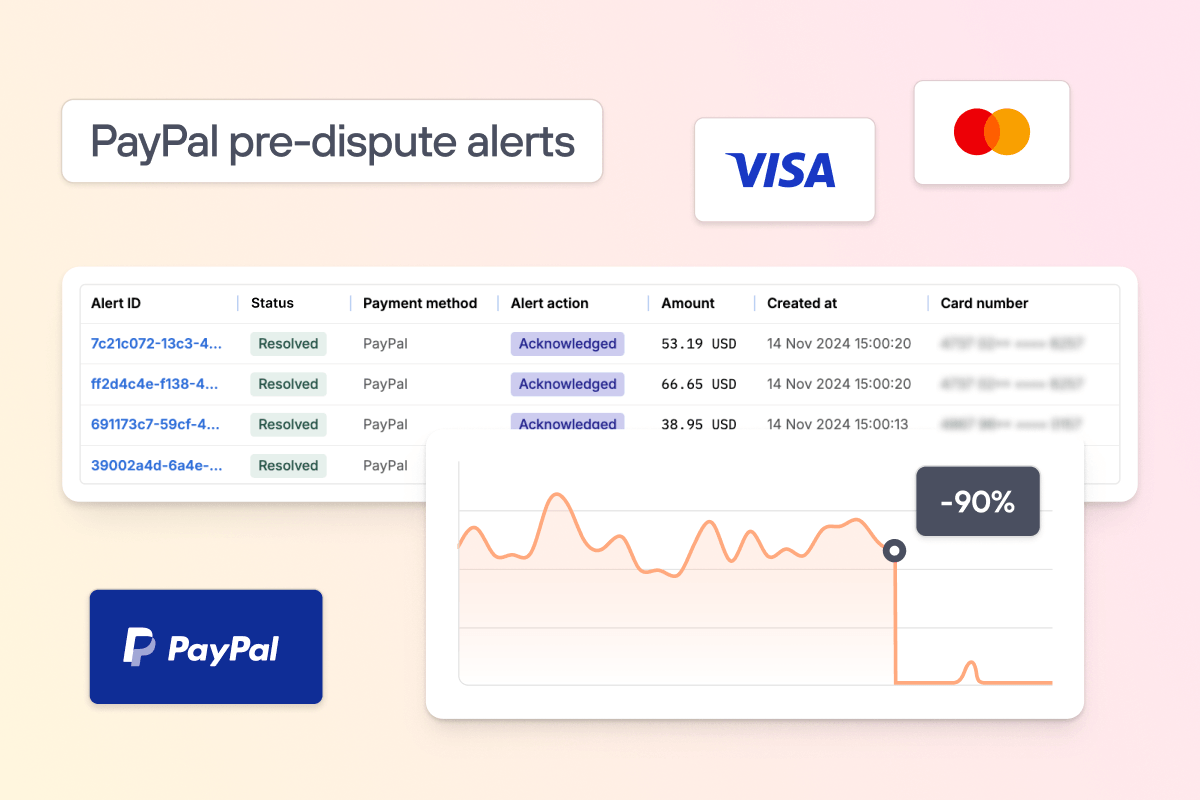
- Related message types: , carried in and reporting, and pre-dispute alerts delivered through networks such as
- Response window: set by scheme rules and counted from the notification date; the length varies by scheme and reason code
- Applies to: any settled transaction, card-present or
How it works
- The cardholder files a claim. The cardholder contacts their issuer about a charge they don't recognize, didn't authorize, or believes was billed incorrectly.
- The issuer reviews and assigns a reason code. The issuer maps the claim to a chargeback reason code that defines what the merchant has to disprove. Fraud claims in a card-absent environment map to Visa 10.4 and Mastercard 4837.
- The notification reaches the merchant. The message travels from the issuer through the to the acquiring bank, which passes it to the merchant or to the PSP handling disputes on the merchant's behalf.
- The merchant locates the transaction. The order record is matched using the and the that appeared on the cardholder's statement.
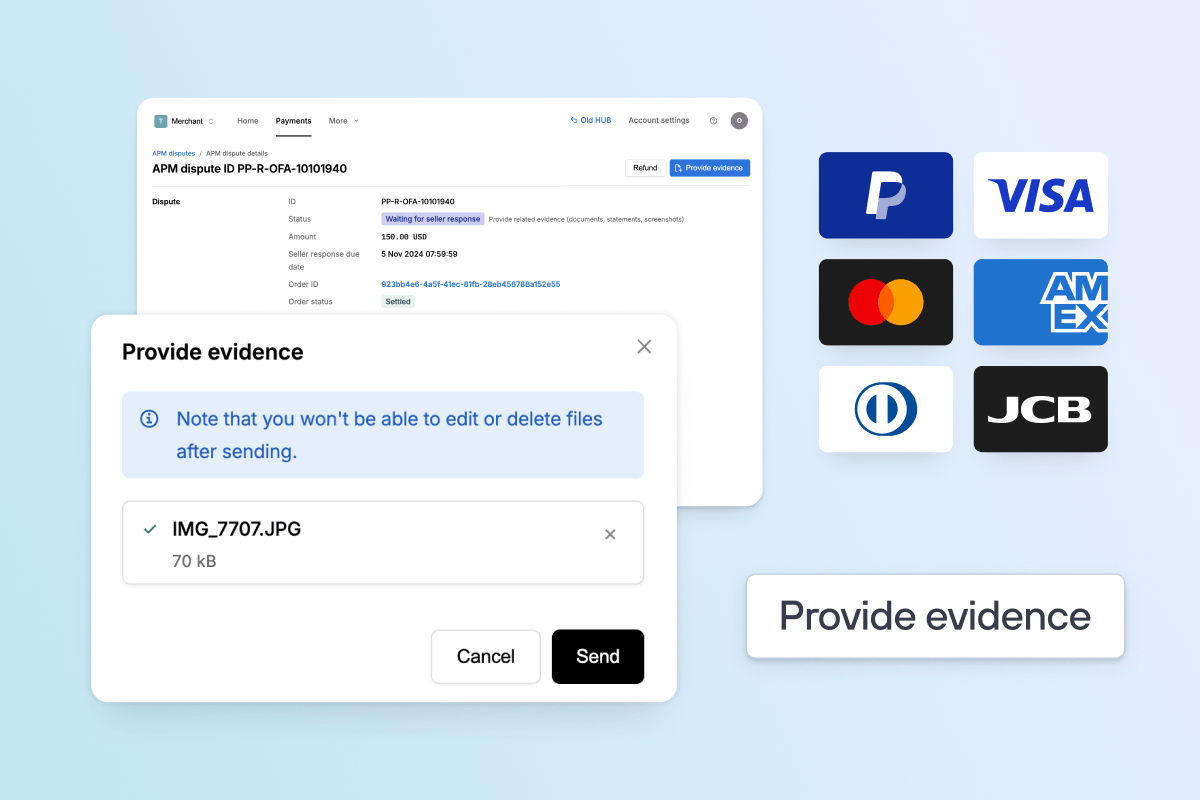
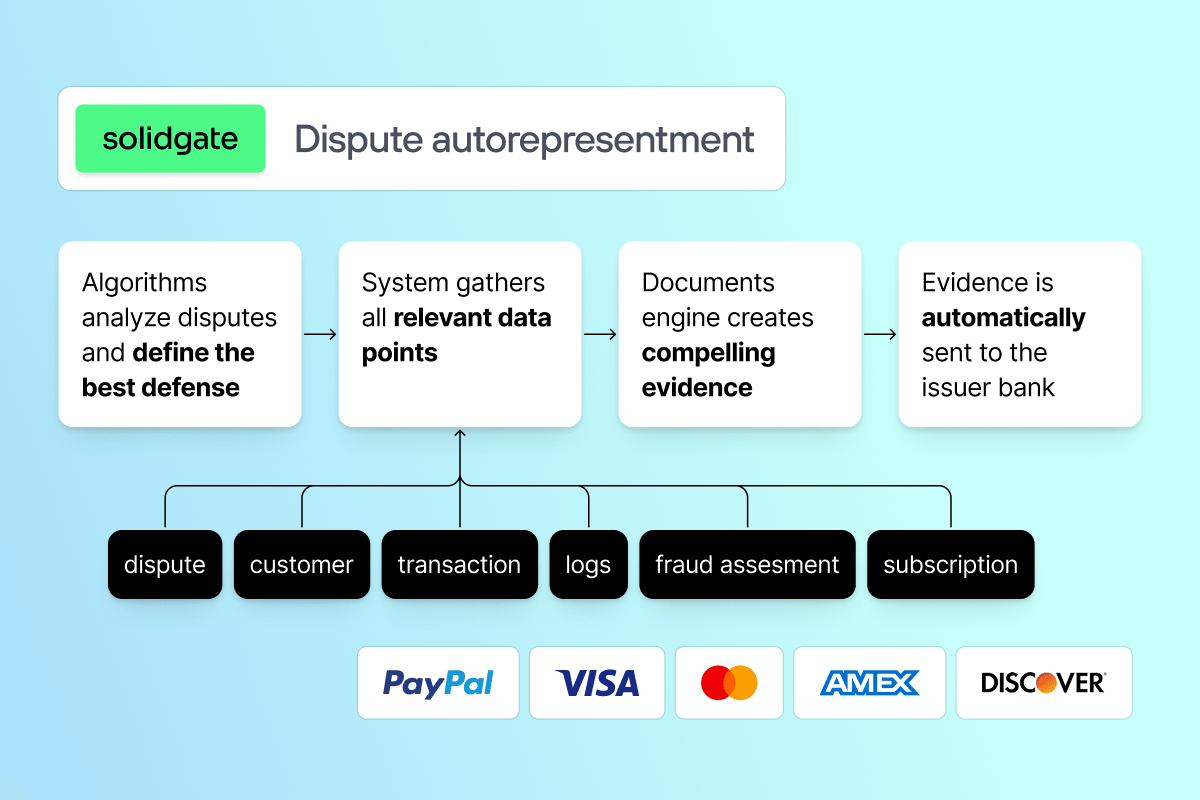
- The merchant responds or accepts. Contesting the dispute means submitting before the deadline. Accepting means the debit stands and no response is filed.
- The issuer rules on the response. A successful response produces a . A rejected one can escalate to and then to arbitration, where the card network decides.
Why it matters
- An unanswered notification is treated as an accepted dispute. The issued to the cardholder becomes permanent, the funds are debited from the merchant, and the stands.
- Under scheme monitoring programs, disputes are generally counted when they are filed rather than after the merchant wins, so a reversed chargeback can still leave a mark on the . Program rules differ by scheme.
- The reason code on the notification tells the merchant which evidence the issuer will accept. Delivery confirmation answers a goods-not-received claim; it does nothing for an unauthorized-transaction claim.
- A cluster of notifications under one reason code points at a specific operational failure. Repeated "unrecognized charge" claims often trace back to a billing descriptor that doesn't match the brand the cardholder bought from, which turns ordinary purchases into claims.
Common issues
- Nobody opens the message in time. Notifications land in a shared mailbox or a dashboard that isn't checked daily, and the response window closes before anyone reads them.
- The deadline is counted from the wrong date. Schemes count from the notification date, not from the day the merchant opened the message or exported the report.
- Duplicate signals on one transaction. A fraud notification, a pre-dispute alert and a chargeback notice can all reference the same payment. Treating them as three separate cases burns response time on work already done.
- The evidence answers the wrong question. When the reason code is misread, the merchant submits a well-documented response to a claim the issuer never made, and the dispute is lost on relevance.